Hello everyone,
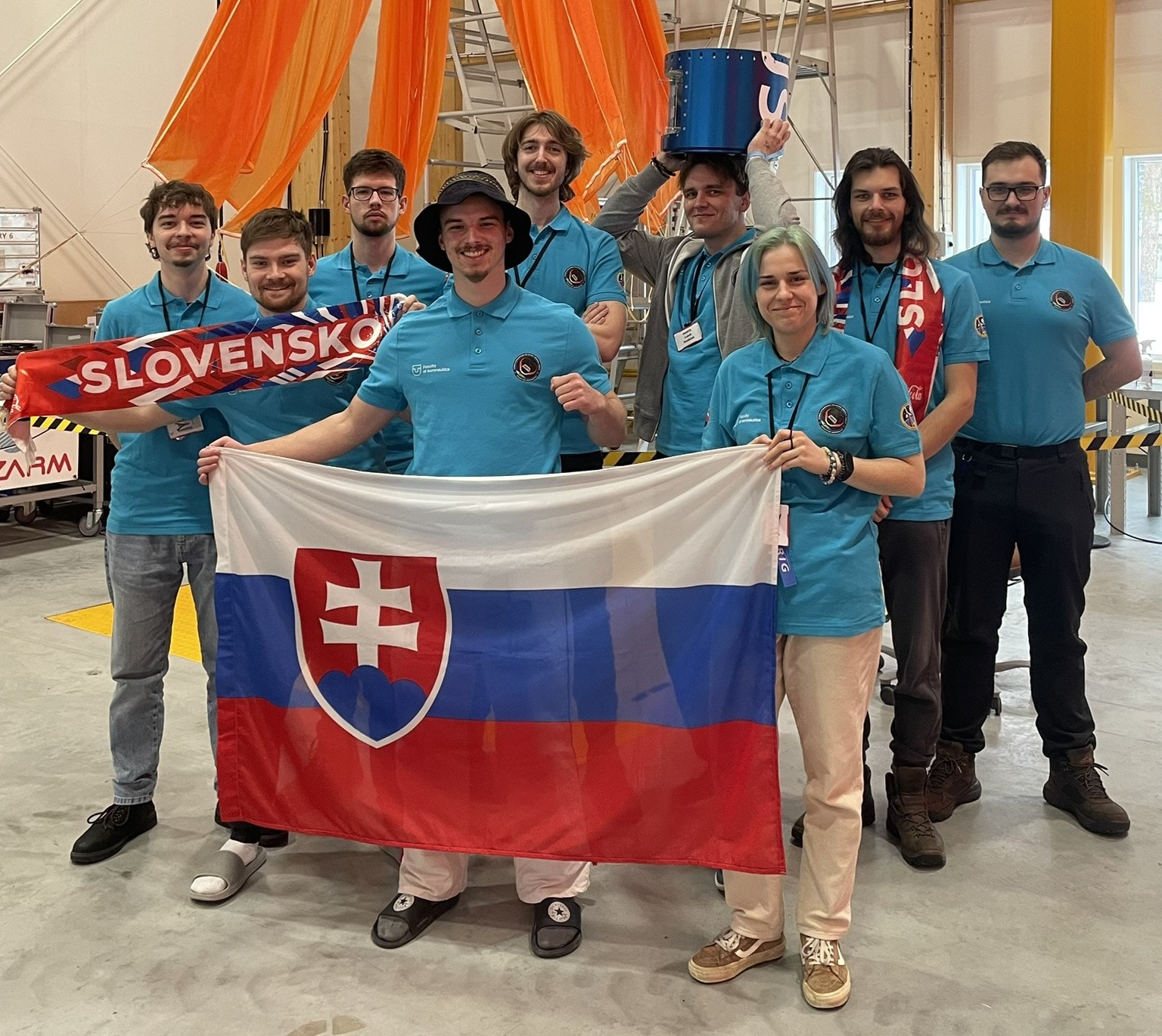
we would like to give you a closer look on our project HARTS (Hybrid Atmospheric Re-Entry Thermal Shield). A student team from the Faculty of Aeronautics at the Technical University of Košice. As the first Slovak team selected for the REXUS/BEXUS programme, we had the opportunity to design, build, and launch our own experiment on a sounding rocket, testing it under near-space conditions.
The programme, organized by DLR and the Swedish National Space Agency in cooperation with ESA, enables student teams to validate advanced technologies in the upper atmosphere. Our focus is on one of the key challenges of modern spaceflight: safe and efficient atmospheric re-entry.
Our experiment is based on a hybrid thermal protection system that combines a classical ablative heat shield with active helium cooling. While ablative materials provide reliable passive protection, they are not reusable. Composite heat shields, on the other hand, offer structural strength and reusability but suffer from high thermal conductivity. Our approach combines both concepts, using helium stored in pressurized tanks to actively cool the structure when critical temperatures are reached.
This concept has potential applications in future spacecraft such as SpaceX Starship, NASA Orion, or ESA’s Space Rider, where improving reusability and reducing cost are key objectives.
To validate this technology, we developed an experimental capsule designed to be launched aboard a REXUS sounding rocket. After reaching apogee, the capsule separates from the rocket and begins its descent. During this phase, a network of temperature sensors monitors the thermal behavior of the heat shield, and if necessary, triggers helium release. At approximately 4 km altitude, a parachute deploys to ensure safe landing and recovery.
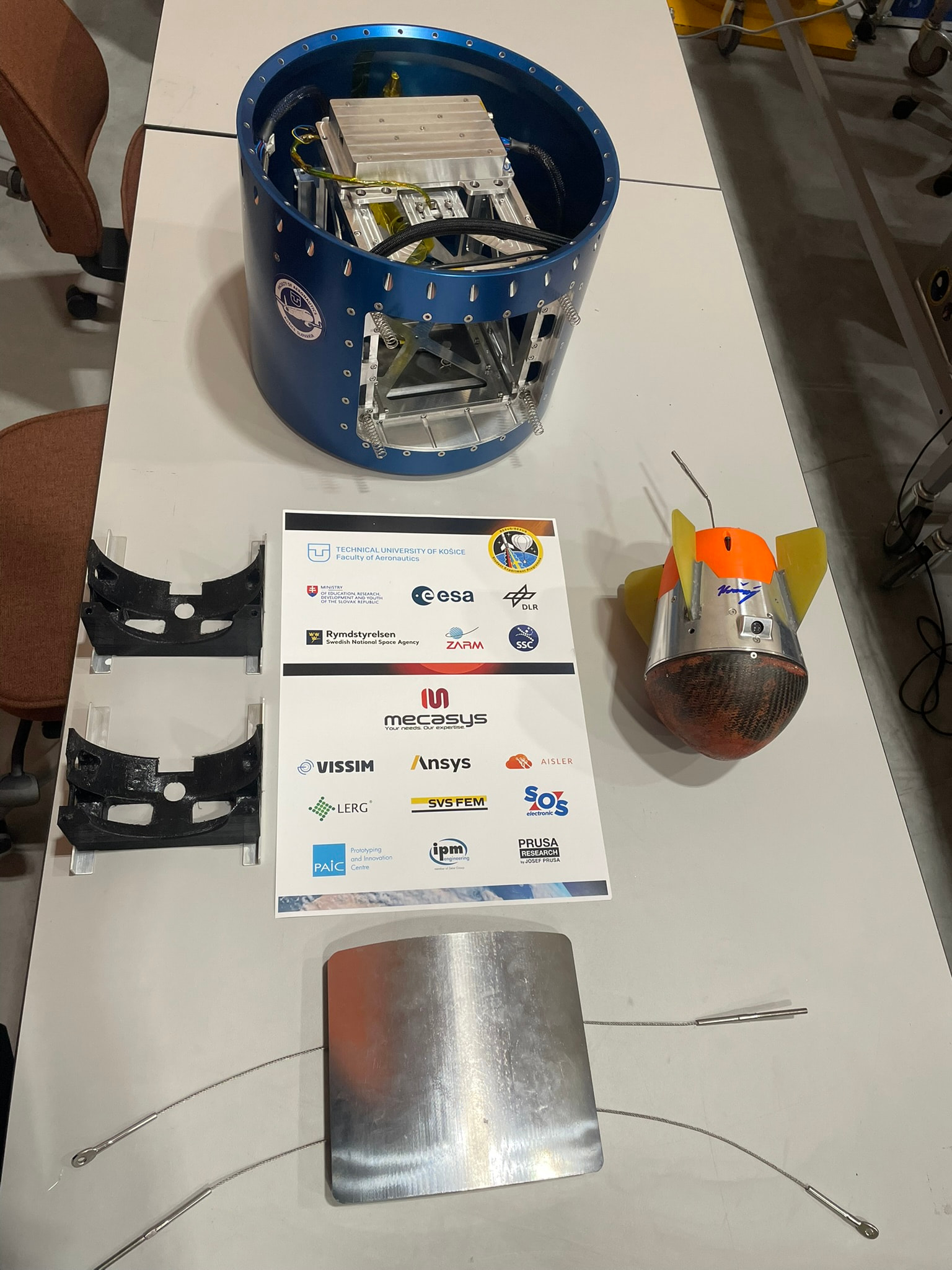
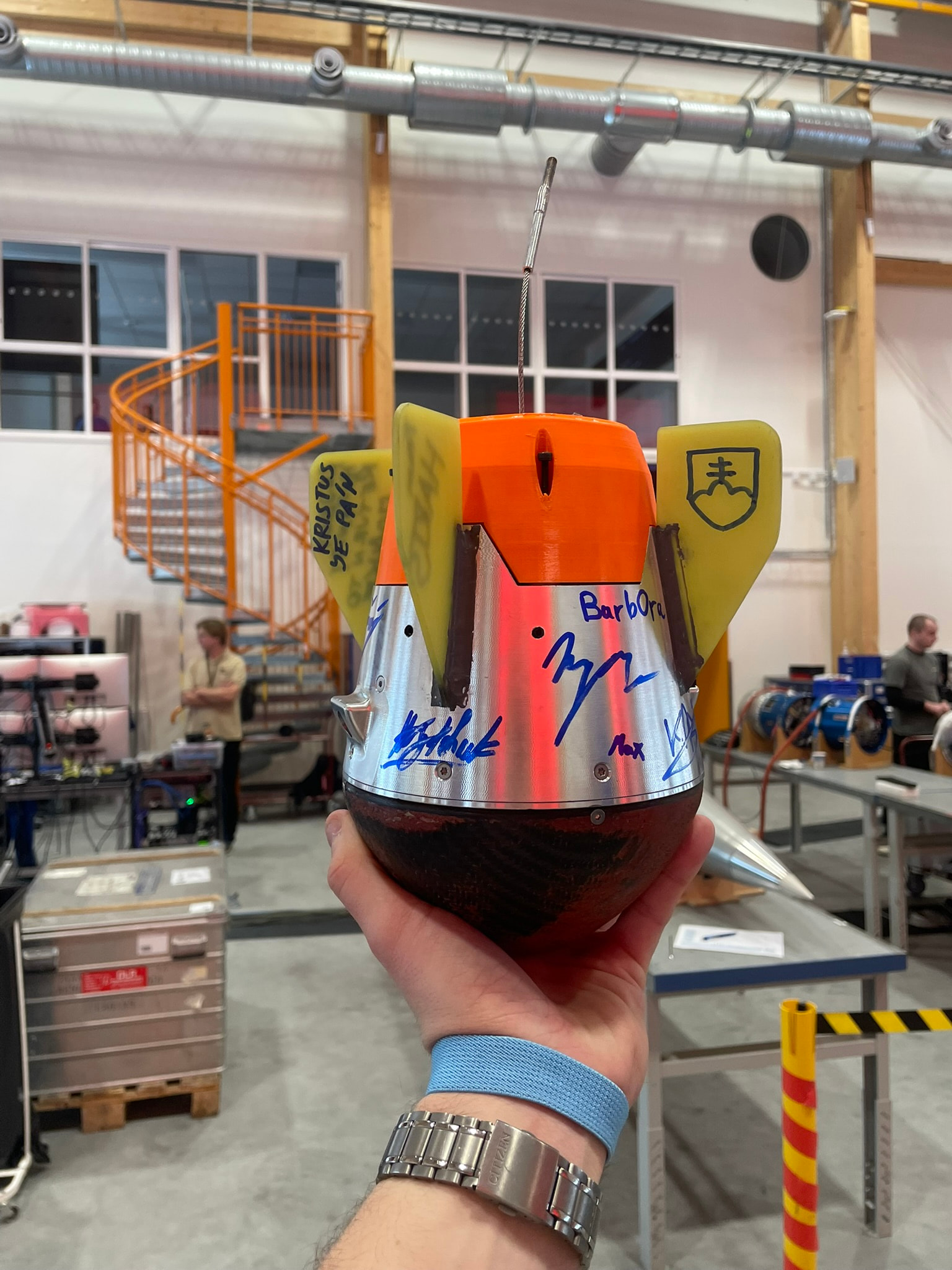
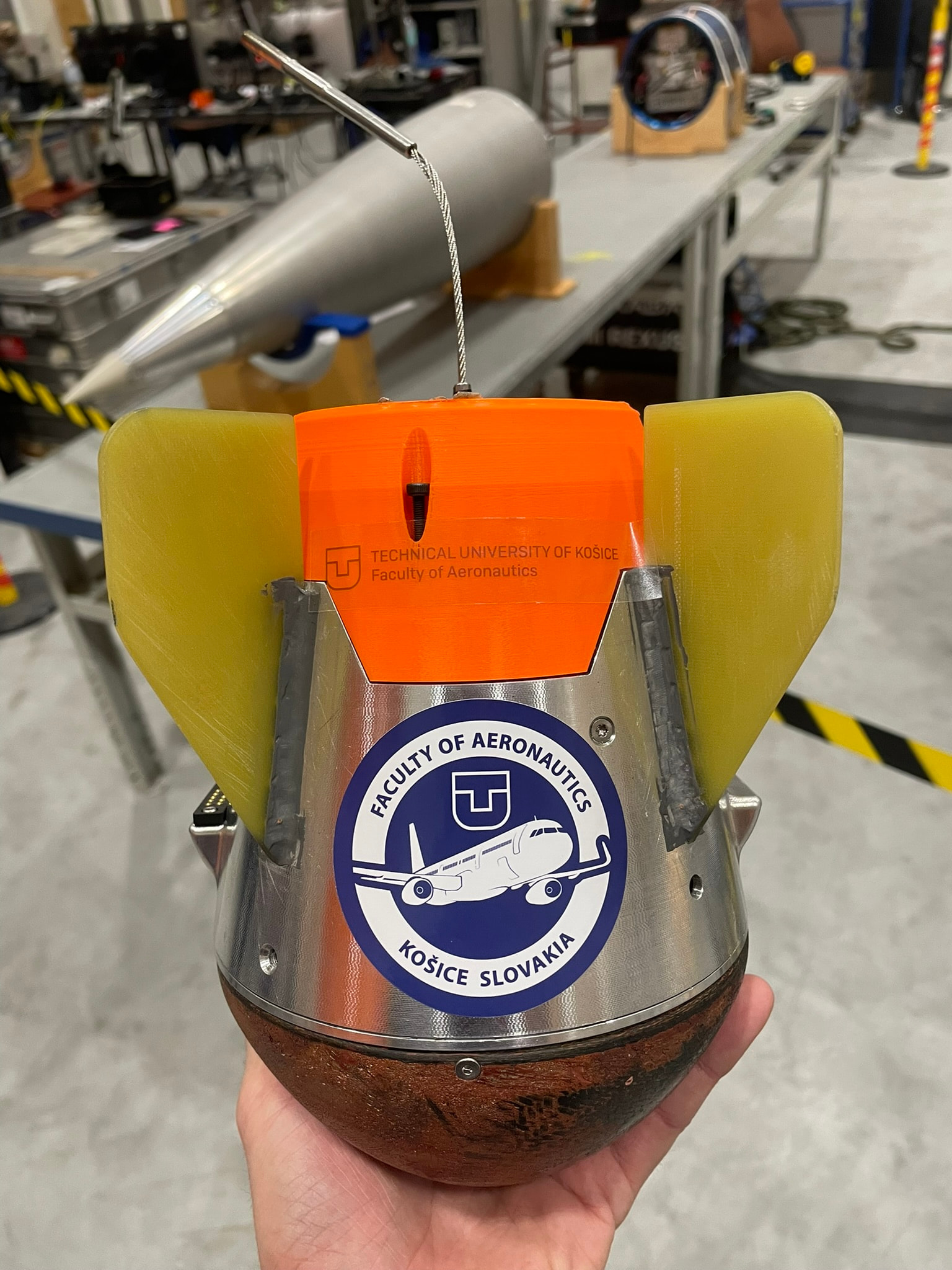
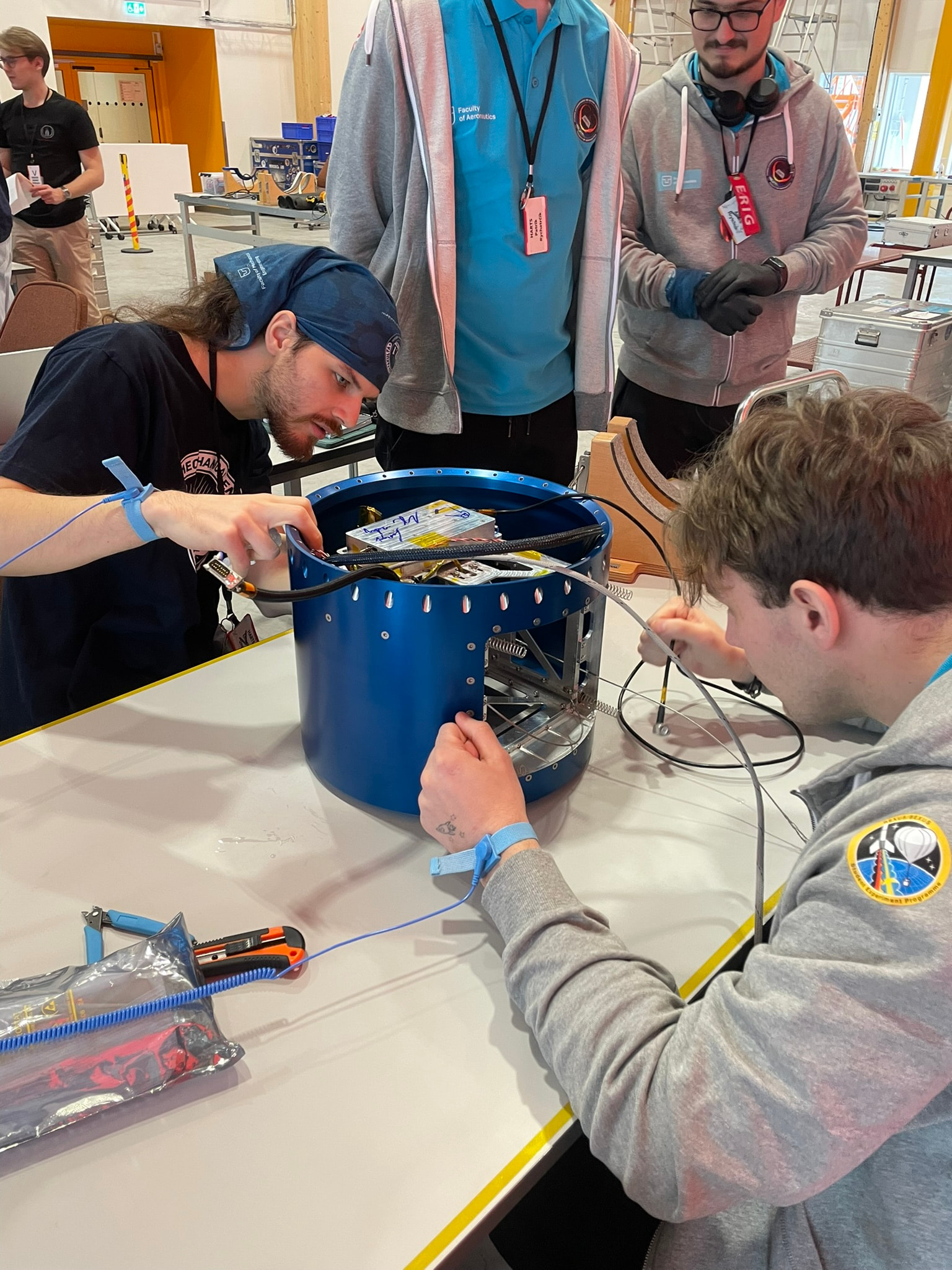
Launch Campaign
Launch week, which took place from March 1 to March 14, 2026, represented the culmination of our entire project. It was the moment where months of design, manufacturing, and testing were supposed to come together. Our primary focus during this period was final integration, testing, and preparation for flight.
However, immediately after arrival, we were informed of a crucial decision: we would not be allowed to fly with fully functional electronics inside our FFU capsule.
The reason was straightforward but critical, our electronics had not passed official bench testing and vibration testing. From the perspective of the REXUS organizers, this represented an unacceptable risk. Their strict approach to safety was strongly influenced by an incident from the previous year, when the REXUS 34 rocket crashed. As a result, only fully verified systems were allowed to fly.
The problem with our electronics
The roots of this issue went back several months. Between September and November, we operated under the assumption that our electronics required only minor adjustments. However, just one week before Integration Week in December at ZARM Bremen, we discovered that the delivered PCBs were non-functional and contained significant design problems caused by us.
During Integration Week, the goal was to fully assemble the experiment and verify it under vibration loads of up to 12G. While we successfully validated the mechanical system, being the only team without mechanical issues, the electronics were not ready for testing. This created a major setback in the eyes of the organizers.
After Integration Week, we had roughly one month to redesign and prepare the electronics. Given the complexity of the system, this required a near-complete redesign of three PCBs under severe time pressure. The redesign effort was led by our team leader Patrik, who, despite limited prior PCB design experience, managed to deliver nearly fully functional designs.
However, delays in electronic component delivery and the overall workload created additional challenges. We managed to assemble the PCBs fully only two days before the official bench test at DLR Oberpfaffenhofen in mid-January.
Bench Testing Under Pressure
Because the electronics had not been sufficiently tested beforehand, most of the responsibility fell on our electronics engineer Andrii. He effectively had to bring the system to life during the bench test campaign itself.
The situation was further complicated by administrative issues, due to missing security clearance, Andrii was not allowed access to the DLR facilities. As a result, all soldering, debugging, and programming had to be carried out in the hotel.
Despite these constraints, the team managed to get a functional subset of the electronics running, which allowed us to continue toward the launch campaign. Over the following weeks, we worked intensively on improvements, testing, and system refinement, aiming to demonstrate full readiness by launch week.
Final Integration and Launch
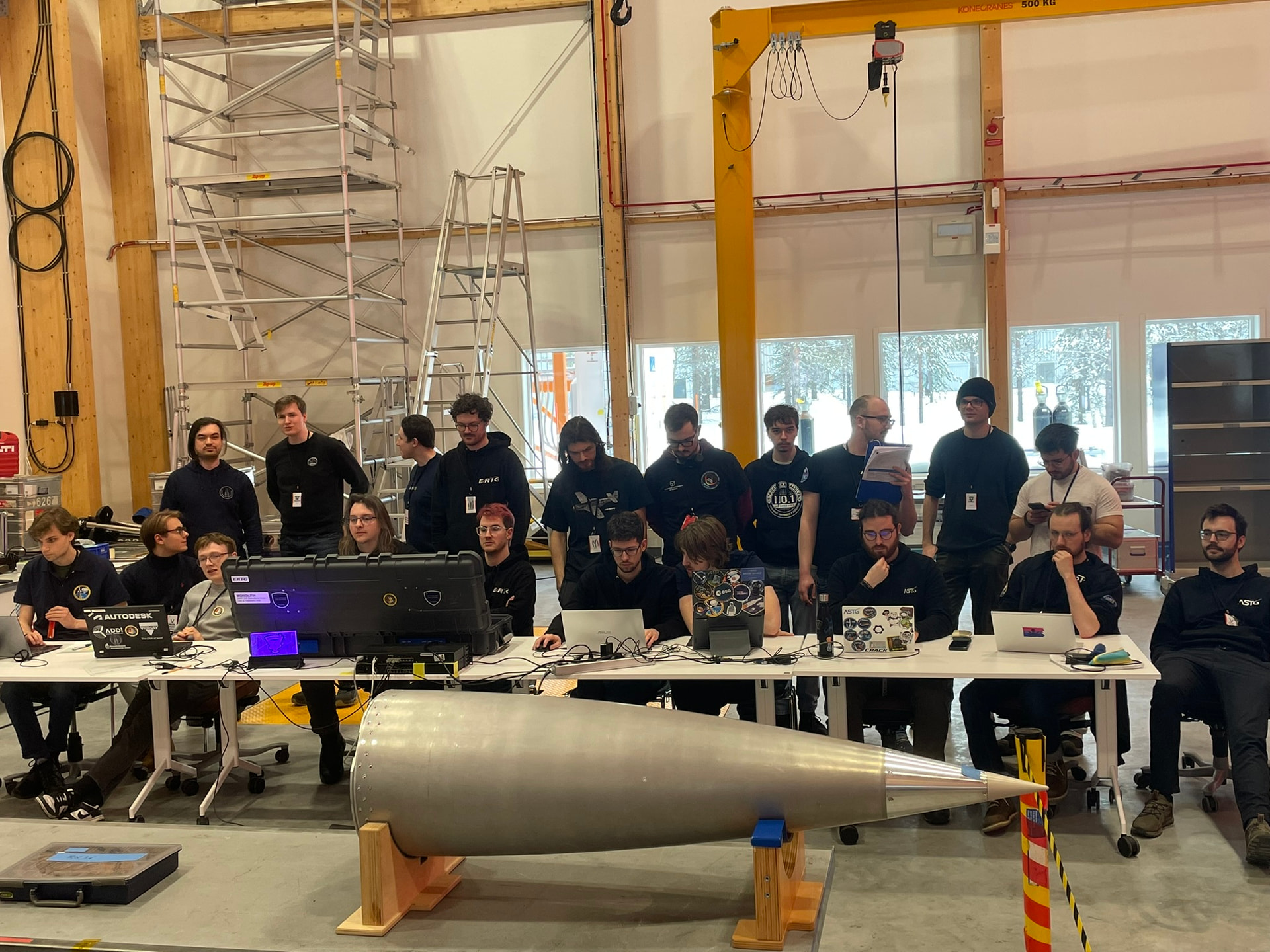
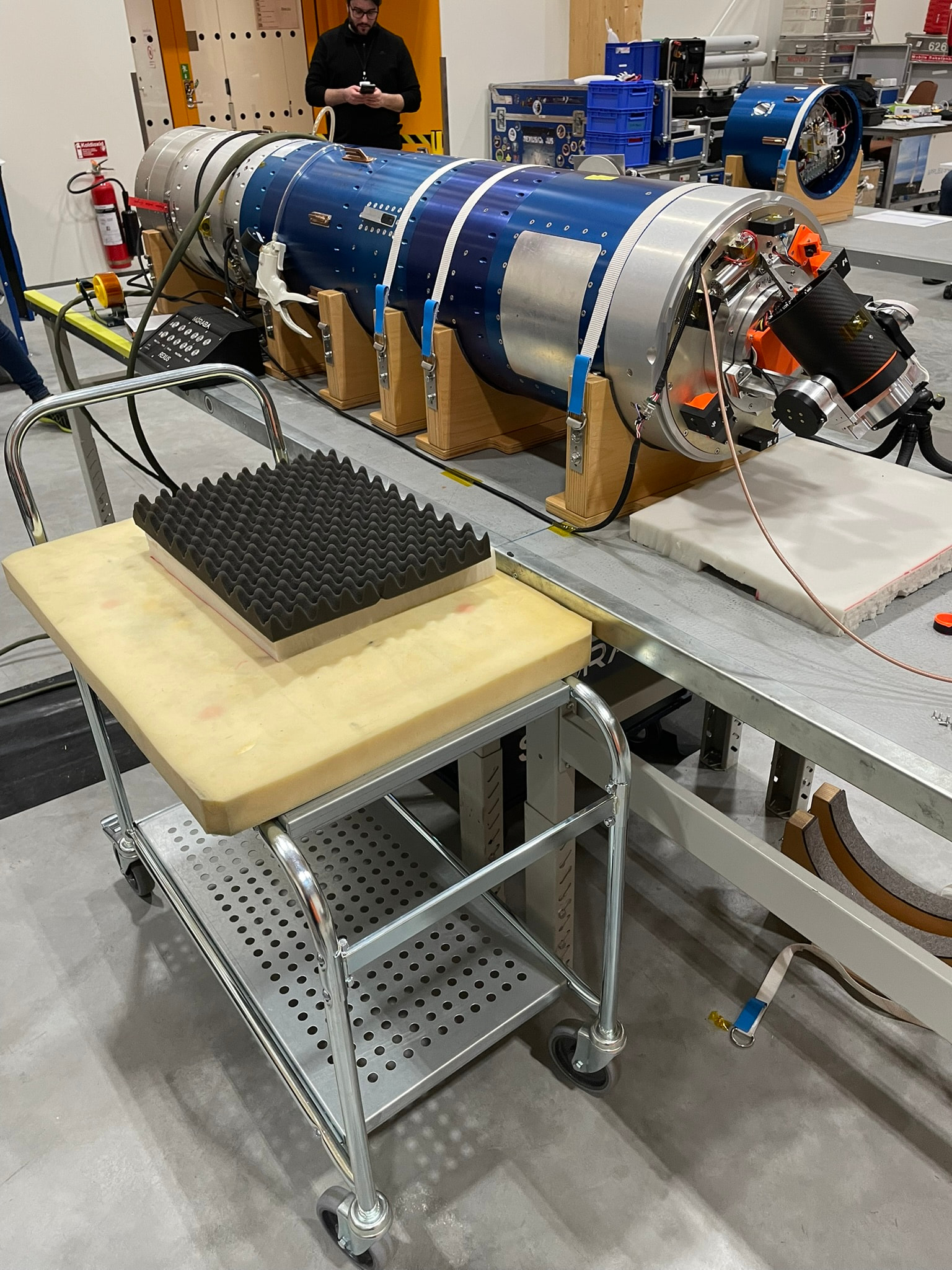
Despite all efforts, upon arrival at the launch site, the decision remained unchanged. Our main electronics would not be allowed to fly. Nevertheless, we were still able to use functional electronics for the ejection system, including live monitoring and onboard video recording.
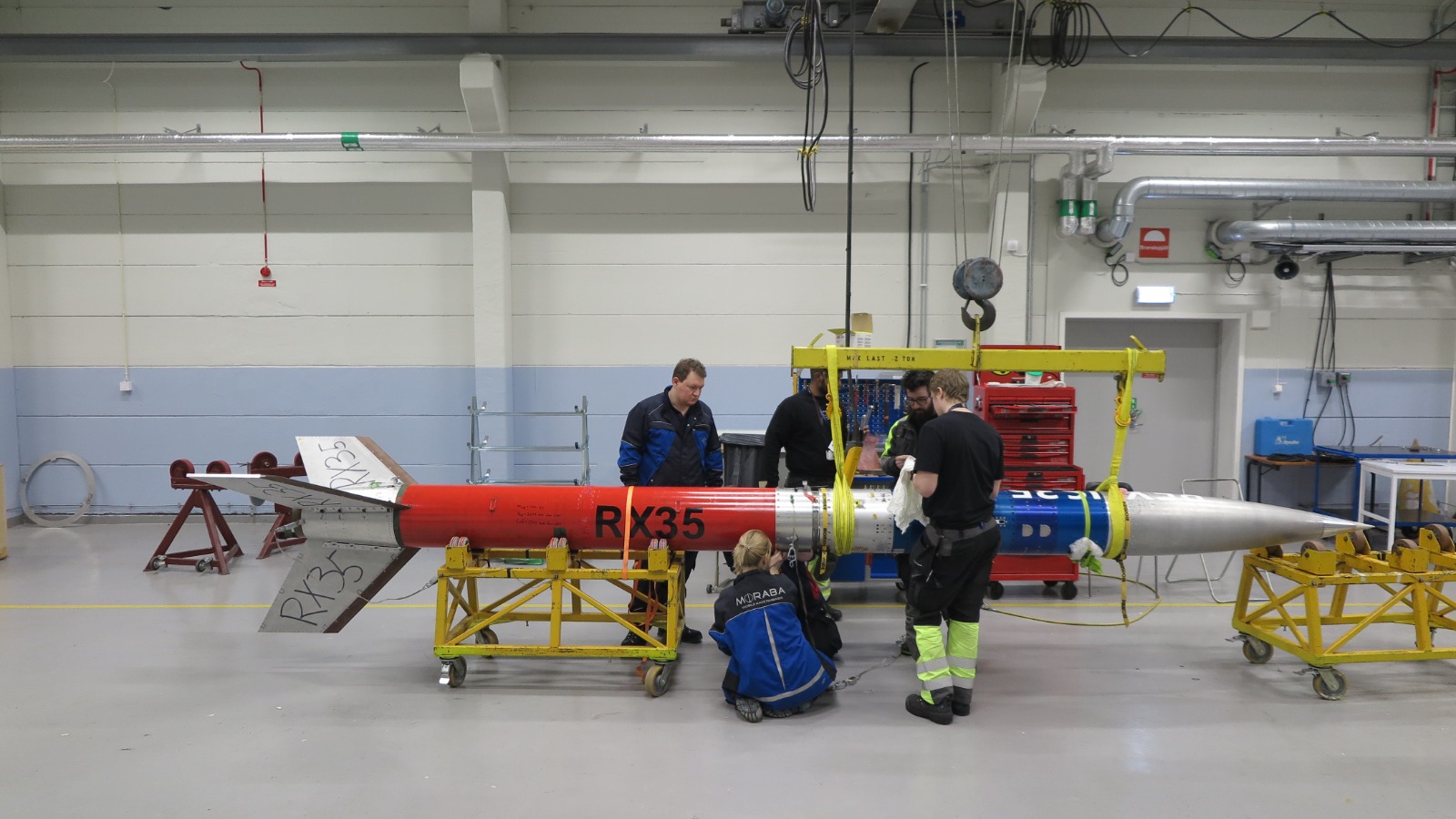
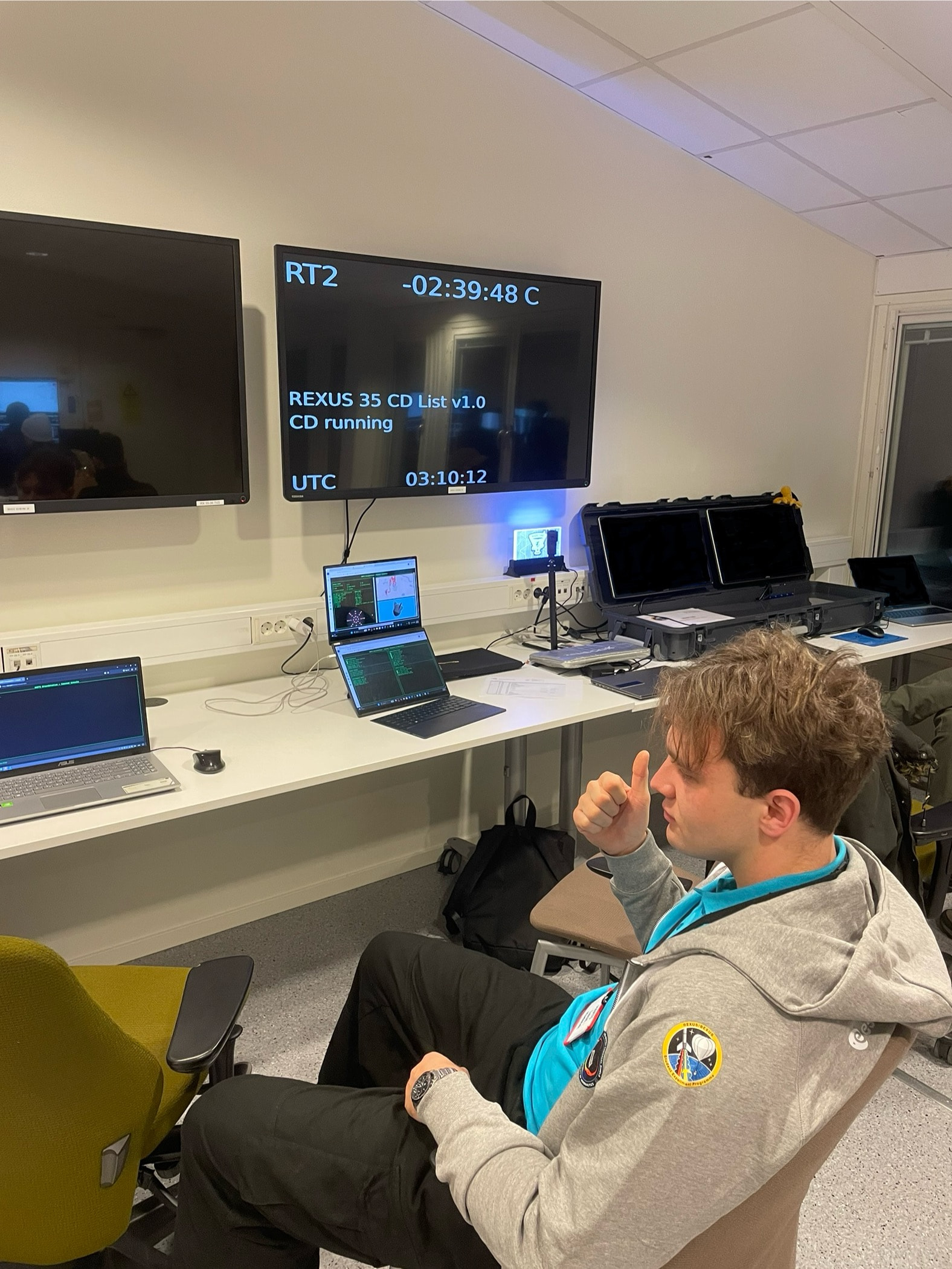
After completing communication tests and resolving minor issues, we finalized the capsule and integrated it into the rocket. The first launch attempt was postponed due to weather conditions, but on March 10, 2026, at 07:02, the REXUS 35 rocket successfully launched.
During the flight:
-
Maximum load reached approximately 16G
-
Apogee reached 75.3 km
-
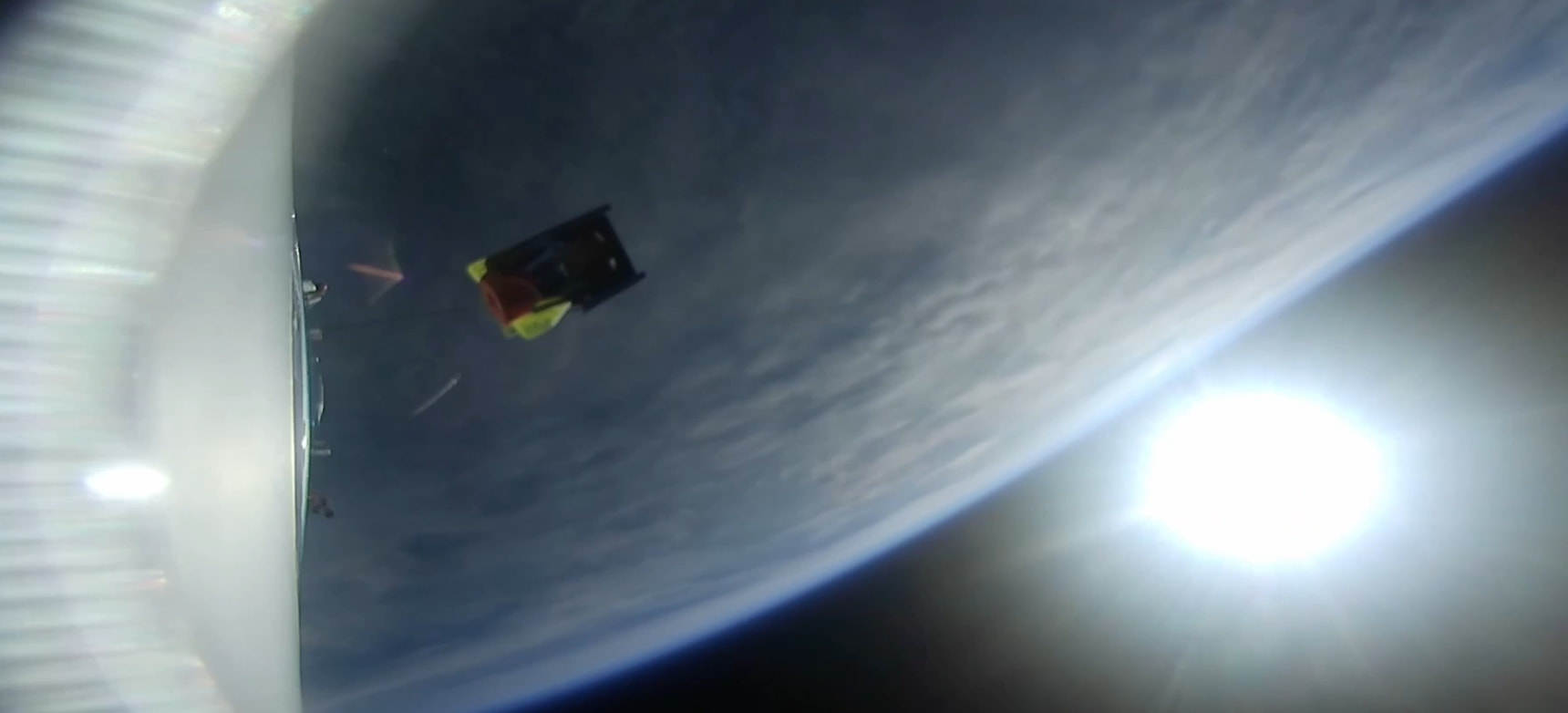
Capsule ejection executed successfully
-
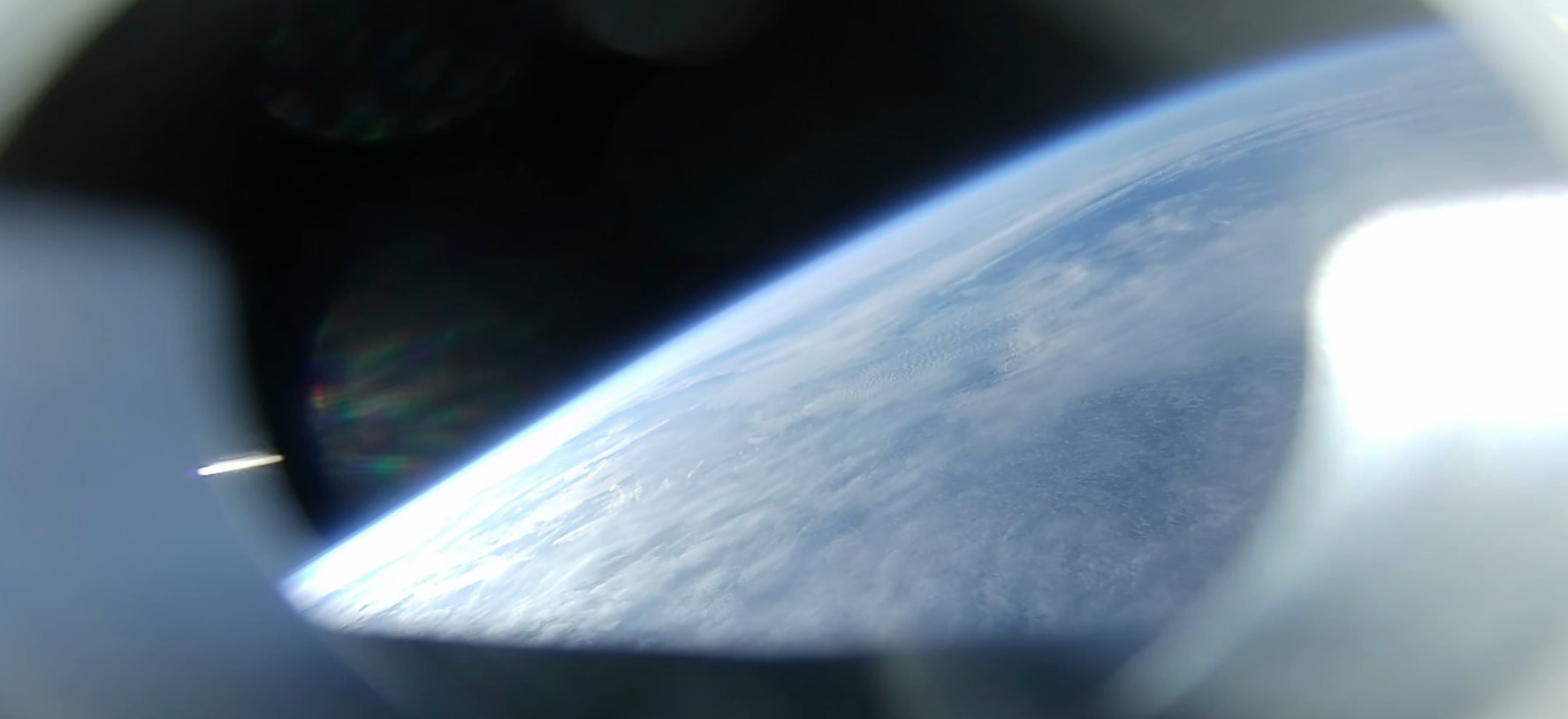
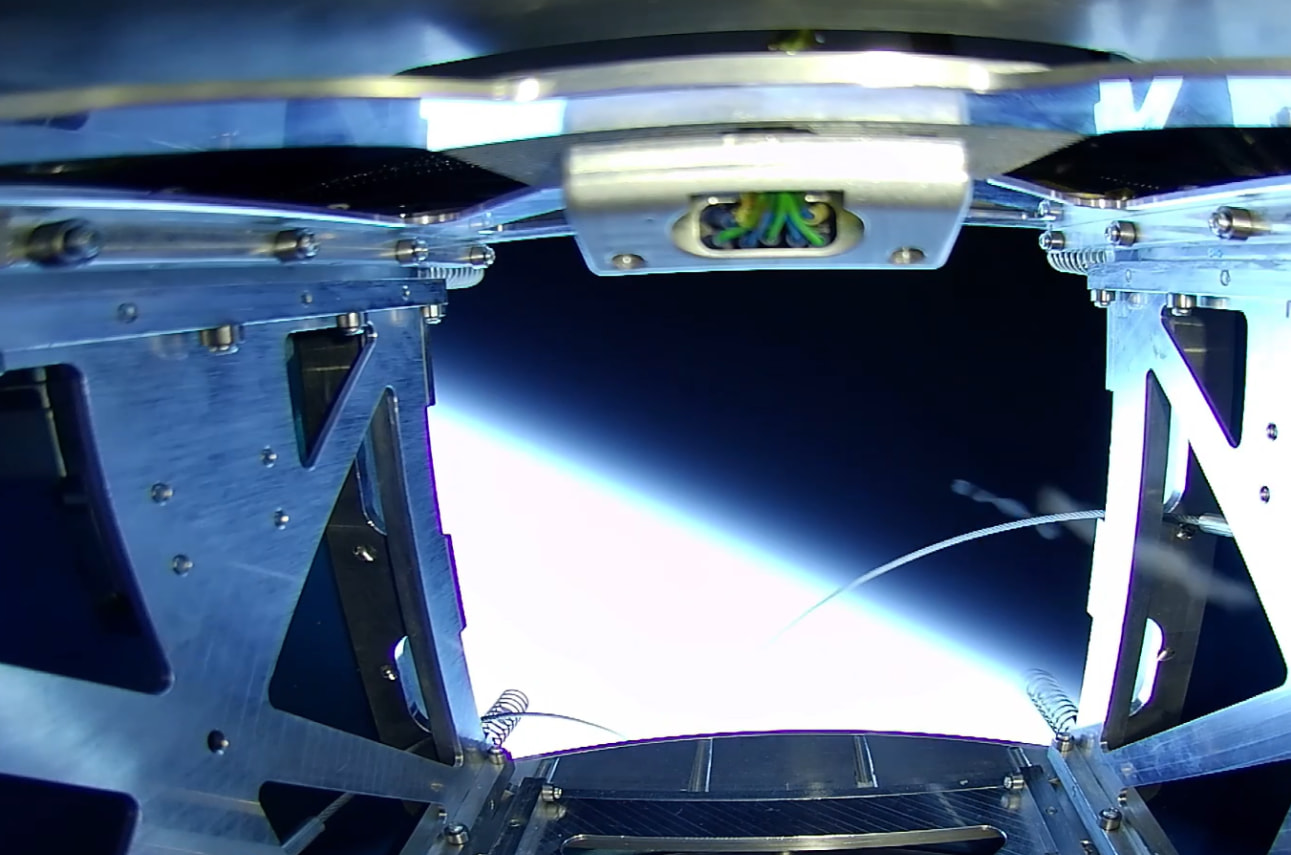
Video of the ejection was successfully recorded
Results and Key Outcomes
Although we were unable to fly our full experiment, we still achieved valuable results. Most importantly, we successfully demonstrated a fully functional ejection system, including video documentation. This system had previously caused issues in earlier missions, and our modifications proved reliable.
As a result, two German teams are now planning to adopt this system for future REXUS 37,38 flights.
Additionally, we captured a unique audio recording during descent. Despite the limited quality of the onboard microphone, the recording contains unusual acoustic phenomena from atmospheric re-entry, which attracted interest from experts at ESA, SSC, and MORABA.
Conclusion and What’s Next
Despite the challenges we faced, this campaign demonstrated that we are capable of delivering meaningful engineering results, even under difficult conditions. As the first Slovak team in the programme, we proved that we can compete with established teams and contribute valuable insights.
While we did not achieve our primary goal of fully testing the thermal protection system in flight, we successfully validated key subsystems and gained critical experience that will shape our future work.
With the new PCBs provided by AISLER to us through their sponsorship, we were able to make the main electronics finally fully functional.
Our next step is to rebuild the capsule and conduct drop tests from an aircraft. These tests will allow us to capture additional data, both internal and external, and further validate the system under controlled conditions.